Animals Color by Number Page for Kids 03: A Practical Creative Asset
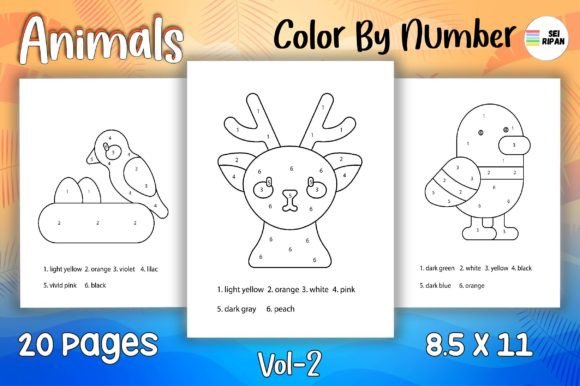
When working on projects aimed at younger audiences, finding a resource that is both engaging and easy to use is paramount. Animals Color by Number Page for Kids 03 represents a specific niche in digital and printable design assets that prioritizes clarity, fun, and educational value. This particular offering is not a traditional typeface in the sense of a serif or sans serif font; rather, it is a curated set of graphic templates designed to facilitate creativity and learning. As a professional asset, it serves a distinct purpose: providing a structured yet enjoyable activity for toddlers and young students. Its visual character is defined by bold, clear outlines of various animals, with internal sections demarcated by numbers that correspond to a color key. The style is friendly, approachable, and intentionally simple, avoiding complex details that might frustrate a child's developing motor skills. The overall appeal lies in its ability to transform a coloring exercise into a guided learning experience, reinforcing number recognition and color association in a playful context.
Visual Characteristics and Project Applications
The design of Animals Color by Number Page for Kids 03 focuses on functionality and appeal. The illustrations typically feature animals with rounded, non-threatening shapes and expressive faces, rendered with thick, clean lines that are easy for small hands to color within. The numbering is prominent and unambiguous, ensuring the activity remains a fun challenge rather than a confusing task. This aesthetic makes the asset incredibly versatile. It works exceptionally well for printable products on platforms like Amazon KDP, where parents and educators search for activity books. The included JPG and EPS files, sized at 8.5×11 inches, are ready for direct printing or can be scaled for digital use without losing quality. Beyond direct publishing, these pages are ideal for creating custom worksheets for preschools, daycare centers, or homeschooling families. Content creators and bloggers in the parenting and education niches can use them as free downloads to grow their email lists or as part of paid digital resource bundles. For small business owners in the children's product space, they can serve as a value-added insert in orders or as promotional material to enhance brand perception as being family-friendly and supportive of early childhood development.
Integrating Assets into Brand and Design Strategy
While not a premium font for logo design, Animals Color by Number Page for Kids 03 is a prime example of a specialized design asset that strengthens a project's visual hierarchy and audience engagement. Its influence is on the experiential layer of a product. For a publisher or marketer, incorporating such a resource can significantly improve the perceived value of a larger offering, like a children's book bundle or an educational kit. The consistency provided by using a coordinated set of 20 files helps establish a recognizable style for a series of products, contributing to brand identity and professionalism. The key to effective use is evaluating fit. This asset is perfect for projects where the primary goal is interactive, educational entertainment for young children. It would be less suitable, for instance, as the main typeface for a corporate website's body text—a role better filled by a readable sans serif font or serif font. Practical guidance involves reviewing all included files to ensure the animal variety and difficulty progression align with the target age group. Entrepreneurs selling on KDP should test the trim size on their own printer to confirm the margins are perfect before listing. Pairing these pages with a cheerful, rounded handwritten font for titles or instructions on a companion website can create a cohesive and inviting brand identity that resonates with both children and their parents.
Practical Considerations for Effective Use
Choosing to use Animals Color by Number Page for Kids 03 requires a practical assessment of your project's scope and audience. First, examine the visual style: does the simplicity and charm of the animal illustrations match the tone you wish to set? For a project emphasizing gentle learning, the friendly art style is a perfect match. Next, consider the file formats. The EPS file is particularly valuable for designers who may need to adjust colors or elements within a vector-based software, offering more flexibility than the static JPG. The lack of bleed in the trim size simplifies the printing process for crafters and hobbyists who may not have professional printing equipment. It's crucial to understand the licensing. As a commercial font or asset, verifying the terms is essential. Typically, these assets allow for use in end products for sale (like a printed book on Amazon) but not for reselling the source files themselves. Finally, think about integration. This asset doesn't exist in a vacuum. It can be part of a larger editorial design for a children's magazine or a component in a packaging design for a kids' product. By viewing it as one tool in your creative arsenal, you can leverage its strengths to create delightful, professional, and highly engaging content for a young audience, ultimately building trust and recognition with the adults who seek out quality resources for them.