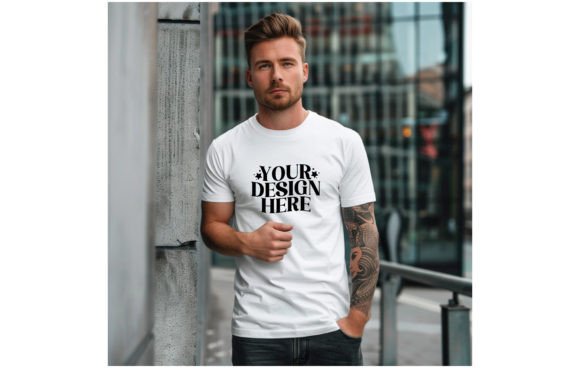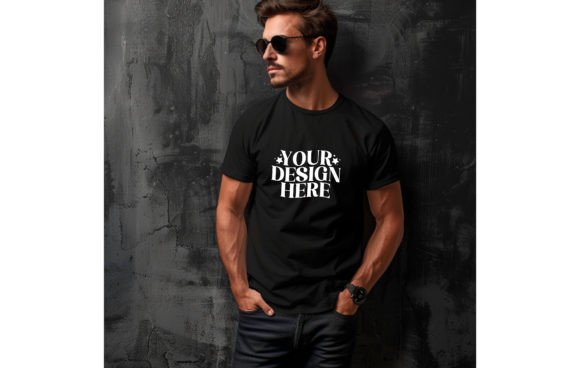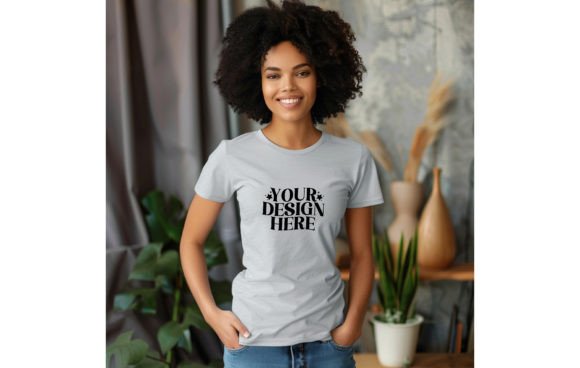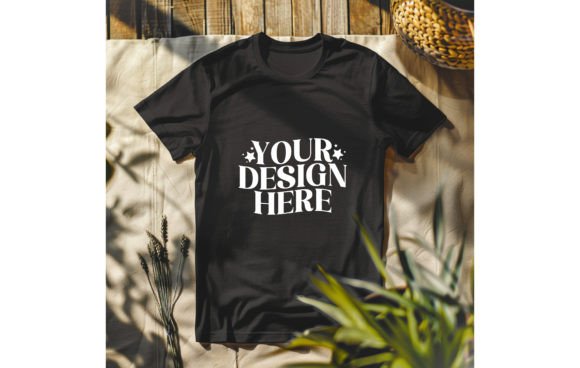
Next Level 6210 Man Black Color Mockup: Elevate Your T-Shirt Designs
You’ve spent hours perfecting a vector illustration, tweaking a watercolor pattern, or finalizing a sublimation design. The colors are balanced, the composition is tight, and the artwork itself is ready. But when you place that design on a plain white background for your online store or portfolio, something feels off. The context is missing. How will this design actually look on a finished product? How will the fabric drape? What will the texture be? This is where a high-quality mockup steps in, and the Next Level 6210 Man Black Color Mockup is a specific tool designed to solve that problem for apparel designers and creators.
What Exactly Is This Mockup?
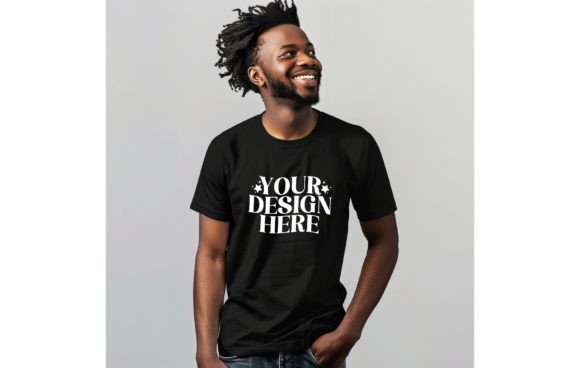
Forget the idea of a complex software plugin or a physical template. This is a digital design asset, specifically a single, high-resolution JPEG image. It’s an instant download, meaning you get the file immediately after purchase. The image is a photograph—or a photorealistic rendering—of a Next Level 6210 men’s crewneck t-shirt in a classic black color. The shirt is presented flat, likely on a neutral background, with clean lighting that highlights the fabric’s texture without harsh shadows.
The "Next Level 6210" refers to a real-world, popular blank t-shirt model known for its soft, ringspun cotton and modern, slightly fitted cut. Using a mockup based on an actual product like this adds a layer of authenticity. You’re not just showing a generic shirt; you’re showing your design on the exact garment you might use for production. This detail matters to discerning customers and clients who understand apparel quality.
The Power of Context for Your Creations
Why go through the trouble of using a mockup like this? Because presentation sells. A t-shirt design shown on a realistic mockup instantly communicates professionalism and helps your audience visualize the final product. It transforms a flat graphic into a wearable item. For an entrepreneur launching a merch line, this mockup helps create cohesive product photos for a website or social media. For a graphic designer presenting a logo concept to a client, showing it on a t-shirt mockup demonstrates real-world application. For a crafter selling cut file designs, it proves the design works on apparel.
The black color of this particular mockup is strategically versatile. Black is a neutral canvas that makes most design colors pop, from bright neons to subtle pastels. It’s a timeless choice that appeals to a wide demographic, making your design the undisputed focal point. The crewneck style is casual and universally accepted, perfect for everything from band merch to corporate event apparel.
Integrating the Mockup into Your Workflow
This is a practical asset, not just a pretty picture. Here’s how you can use it effectively across different projects:
- E-commerce & Marketing: Create compelling product listings on platforms like Etsy, Shopify, or your own website. Use the mockup in social media graphics, Facebook ads, or Instagram posts to announce new designs or run promotions. It provides a consistent, professional look for your brand identity.
- Client Presentations & Portfolios: When pitching a design for a company’s branded apparel, show them the mockup with their logo. It’s far more persuasive than a standalone logo file. Add it to your Behance or Dribbble portfolio to showcase your work in a realistic context.
- Print-on-Demand Validation: Before uploading a design to a POD service, use the mockup to check how it sits on a shirt. You can assess scale, placement, and color contrast in a realistic setting, potentially saving time and avoiding customer returns.
The file specifications are important for your workflow. At 1500x1500 pixels and 300 DPI, the image is high-resolution enough for sharp web use and decent for smaller print applications like flyers or lookbooks. However, for large-format printing or as a primary product photo, you might need a higher-resolution source. Remember, this is a JPEG image, not a layered PSD file with smart objects. To use it, you’ll need basic photo editing software (like Photoshop, GIMP, or even Canva) to overlay your design onto the shirt’s surface, adjusting for the fabric’s folds and lighting.
Making the Most of Your Design Presentation
To ensure your final presentation looks polished, consider these practical tips when using the Next Level 6210 Man Black Color Mockup:
- Match the Lighting: Pay attention to the mockup’s light source. If the light comes from the top left, your design’s shadows and highlights should logically follow. A slight adjustment in opacity or blend mode can help integrate your design seamlessly with the shirt’s texture.
- Respect the Fabric: A design shouldn’t look like it’s floating above the fabric. Use tools like the Warp tool or displacement maps in Photoshop to gently bend your artwork to follow the shirt’s contours, especially around the sleeves and neckline.
- Context is Key: While the mockup provides the shirt, consider adding simple contextual elements. Place the mocked-up shirt on a clean background, or use it in a scene with other design assets like a coffee cup or notebook to tell a lifestyle story for your brand.
- Be Honest: If you’re selling the design file itself (like a cut file or SVG), clarify in your listing that the mockup is for presentation only and that no physical item will be sent. Transparency builds trust with your customers.
Ultimately, a tool like this mockup is about efficiency and professionalism. It bridges the gap between your digital design and the physical product your customer imagines. It’s a small investment that can significantly enhance how your work is perceived, helping you stand out in a crowded marketplace. Whether you’re a seasoned designer or a hobbyist starting to sell, presenting your work in context is a non-negotiable step toward building a credible and engaging creative business.